Exercise is a powerful tool for improving health and mobility—but not all exercises are suitable for everyone. If you’re struggling with lower back pain, certain movements can do more harm than good. In this article, I’ll walk you through five popular exercises that can actually worsen lower back pain, and I’ll suggest safer alternatives to keep your spine healthy and pain-free.
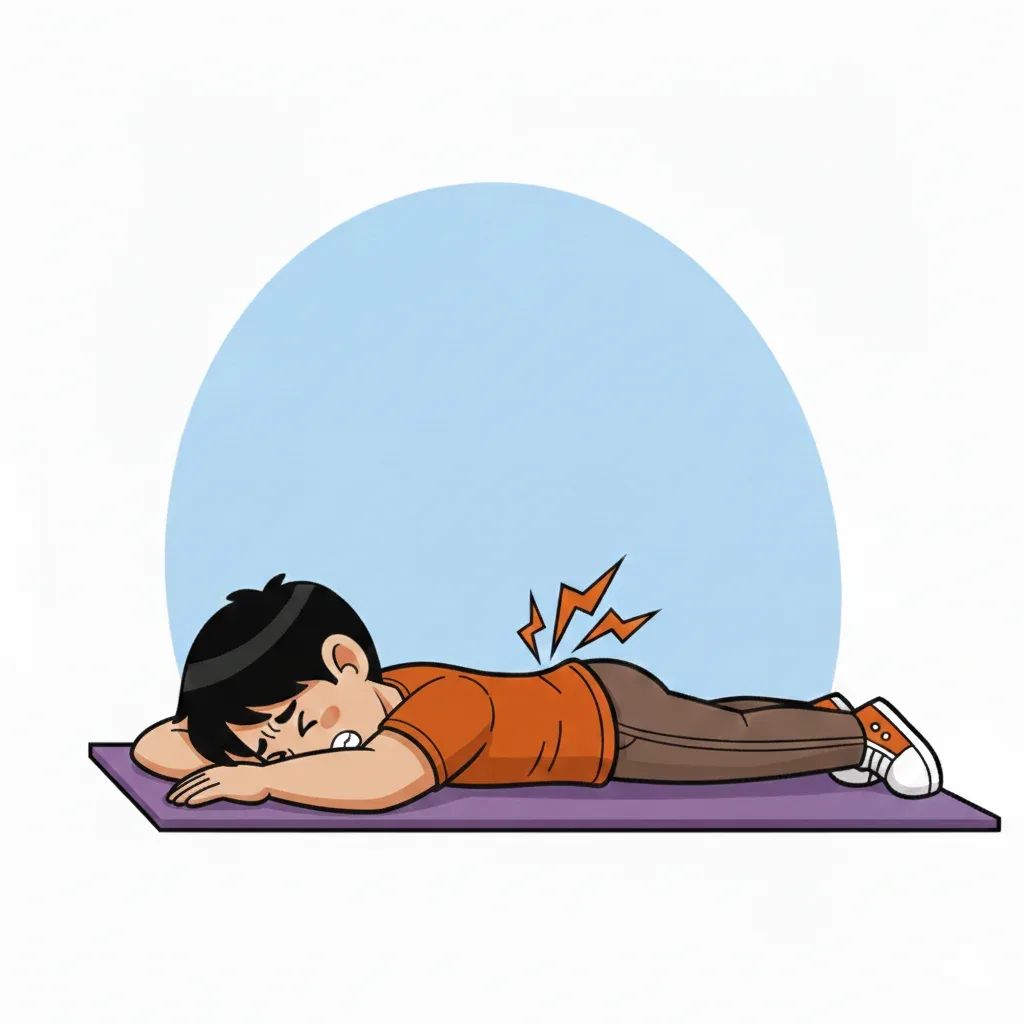
Why to Avoid:
These classic core exercises put excessive pressure on the lumbar spine, especially when performed with poor form or momentum. Instead of strengthening your core safely, they can irritate spinal discs and hip flexors, contributing to pain.
Better Alternative:
Modified Plank – Engages your deep core muscles without compressing the spine.
Why to Avoid:
This exercise can be effective when done right—but many people round their back while lifting, which places stress directly on the lumbar discs. It’s especially risky if you already have back discomfort or a history of injury.
Better Alternative:
Bulgarian split squat – builds strength and muscle in the quads, glutes, and hamstrings, does active stretching of iliopsoas (hip flexor) muscle on opposite leg and improves balance and stability by working each leg independently.
Why to Avoid:
Overextending your spine, can compress the small joints in your lower back. This often leads to increased pain or tightness, particularly if your core isn’t strong enough to control the movement.
Better Alternative:
Bird-Dog – A low-impact, core-stabilizing exercise that promotes spinal alignment and balance.
Why to Avoid:
The seated position combined with heavy weight often causes the lower back to round under pressure, which can lead to herniated discs or aggravate existing issues.
Better Alternative:
Glute Bridge – Builds strength in the glutes and hamstrings while protecting the lower spine.
Why to Avoid:
While it might feel like a good stretch, rapidly bending forward with straight legs places a lot of stress on your lower back and can overstretch spinal ligaments and discs.
Better Alternative:
Knee-to-Chest Stretch – A gentle way to stretch the lower back without straining it.
Lower back pain requires a smart, intentional approach to movement. Just because an exercise is popular doesn’t mean it’s safe for everyone. Listen to your body, focus on form, and choose movements that support your recovery rather than risk injury.

 February 13, 2026
Lower back pain is common and, in most cases, manageable with rest, exercises, and lifestyle adjustments. But sometimes, pain is a sign that something more serious is going on. In this article, we’ll explain when lower back pain is more than just discomfort — and when you should see a doctor immediately.
 January 10, 2026
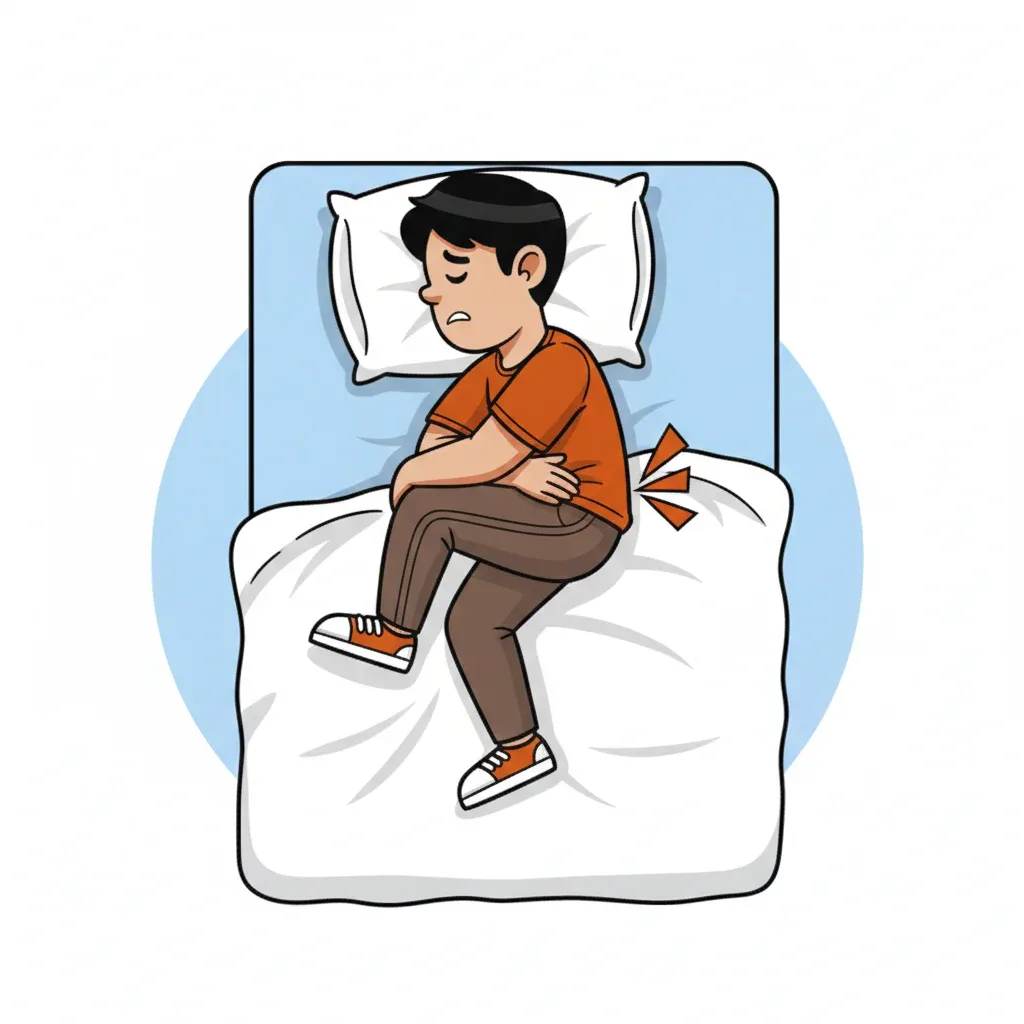
Do you wake up with lower back pain that gets better as the day goes on? Morning back pain is a common complaint and can have several causes, from sleeping positions to underlying conditions. In this article, I’ll explain why lower back pain happens in the morning and how you can prevent it for good.
 March 21, 2025
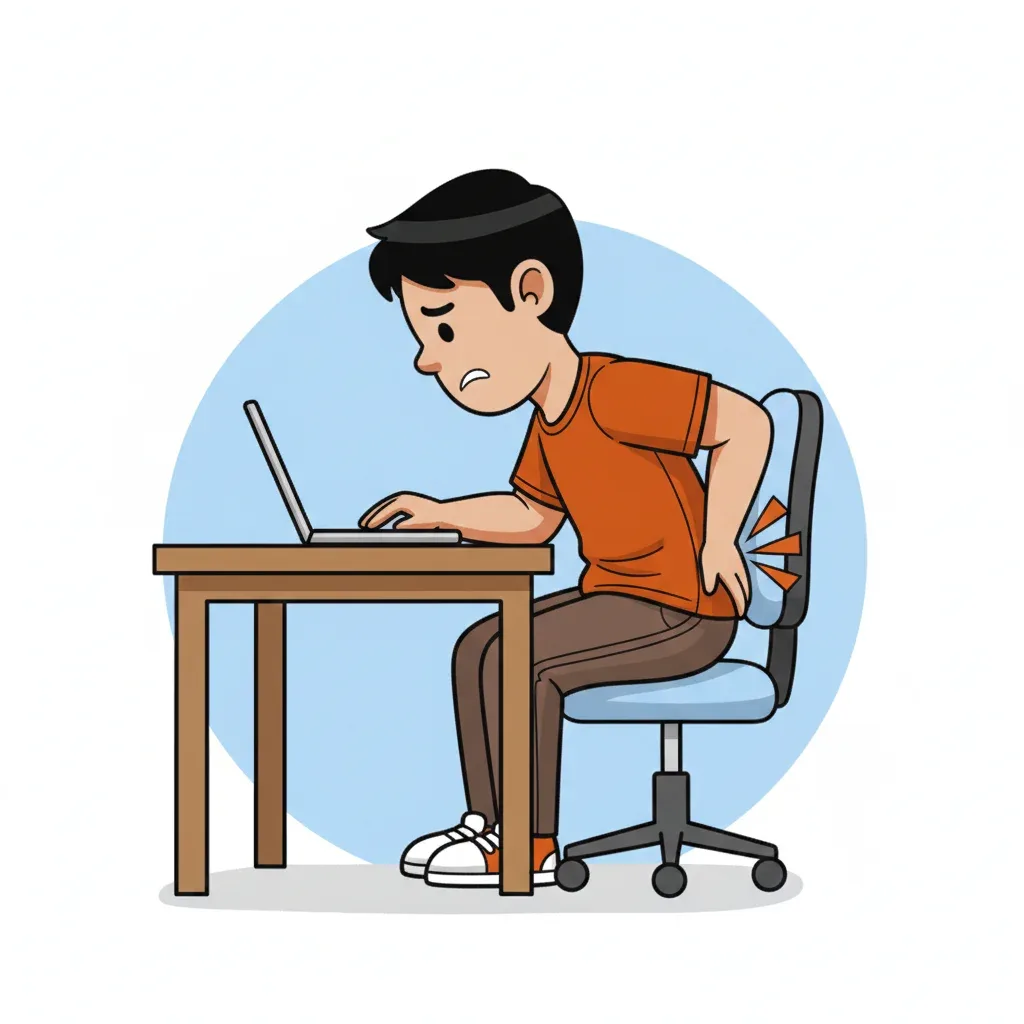
We sit more than ever — at work, in the car, and at home. But sitting for hours every day can take a serious toll on your lower back. If you’ve ever stood up from your chair and felt stiffness or pain, you’re not alone. In this article, I’ll explain how prolonged sitting affects your lower back and what you can do to prevent pain.
 REHUB
REHUB