Lower back pain can often be avoided with simple daily habits. One of the most effective ways to protect your spine and keep your back healthy is through regular, gentle exercise. In this article, I’ll show you a simple routine you can do every day to prevent lower back pain — no equipment needed!
Your lower back supports your entire upper body. Prolonged sitting, stress, and weak muscles can quickly lead to tightness, stiffness, and pain. Regular movement increases blood flow, strengthens muscles, and improves flexibility, keeping your back resilient.
Start on all fours with a neutral spine, hands under shoulders, and knees under hips.
Inhale (Cow): Drop your belly toward the floor, gently arching your back and looking slightly upward.
Exhale (Cat): Press through your hands, round your spine toward the ceiling, and tuck your chin to your chest.
Move slowly, focusing on feeling each vertebra move individually.
➡️
Why it helps:
Improves spinal lubrication by moving the vertebrae through their full range of motion.It stretches the back muscles and the abdominals while promoting "neural flossing"—gently moving the nerves through the spinal canal to reduce irritation and stiffness.
Lie on your back, knees bent, feet flat, and arms at your sides.
Squeeze your glutes first, then drive through your heels to lift your hips.
Hold for 1-2 seconds at the top, forming a straight line from knees to shoulders.
Lower slowly, maintaining control throughout the descent.
➡️
Why it helps:
Strengthens the glutes to take over the "heavy lifting" duties from the lower back. By activating the posterior chain, it creates reciprocal inhibition—automatically forcing the overactive hip flexors to relax. This re-aligns the pelvis and decompresses the lumbar discs.
The "Pelvic Tilt": Before lifting, flatten your lower back against the floor.This ensures the glutes do the work rather than your spinal extensors.
On all fours, extend your right arm and left leg
Hold for 10 seconds, keeping your core tight
Switch sides
➡️
Why it helps:
Builds "core stiffness" and rotary stability. It strengthens the multifidus and erector spinae (the tiny muscles that support your vertebrae) without placing heavy compression on the spine.It teaches you to move your limbs while keeping your lower back "locked" and protected.
The "Water Glass" Test: Imagine a full glass of water sitting on your lower back. Your goal is to move your arm and leg so steadily that you don't spill a drop.
Don't Over-Lift: Most people lift their leg too high, which causes the back to arch.Keep your leg level with your hip to keep the stress off your lumbar discs.
Stand a few feet in front of a bench or sturdy chair, facing away from it.
Reach one foot back and rest the top of your foot (laces down) on the bench.
Lower your hips until your front thigh is almost parallel to the floor.
Drive through your front heel to push yourself back up to the start.
➡️
Why it helps:
Builds significant strength in the quads, glutes, and hamstrings while improving balance. By elevating the rear leg, it provides an active stretch of the iliopsoas (hip flexor); loosening this muscle reduces "pull" on the lumbar spine, which helps prevent the excessive pressure that leads to herniated discs.
Glute Focus: Lean your torso slightly forward and take a slightly wider step out.
Quad Focus: Keep your torso upright and your front foot closer to the bench.
Stability: If you're wobbly, find a spot on the floor to stare at, or keep a wall nearby for a light touch.
Start face down with your forearms on the floor, elbows directly under your shoulders.
Lift your body off the ground, supporting your weight only on your toes and forearms.
Maintain a straight line from your head to your heels—don't let your hips sag or hike up.
Keep your neck neutral by looking at a spot on the floor about a foot in front of your hands.
➡️
Why it helps:
Builds isometric core strength and stability, which protects your spine, improves your posture, and reduces lower back pain.
The "Secret" Squeeze: To get the most out of a plank, squeeze your glutes and quads as hard as you can. This stabilizes your pelvis and keeps the work in your abs rather than your lower back.
Don't Hold Your Breath: Beginners often forget to breathe. Focus on steady, deep breaths to keep your muscles oxygenated and increase your hold time.
Modification: If a full plank is too difficult, drop your knees to the floor while keeping your torso in a straight line.
The Goal: Don't sit for longer than 45 minutes.
The Action: Set a timer. Every 45 minutes, stand up and perform 30 seconds of the Cat-Cow or a standing hip flexor stretch. This prevents your spinal discs from "setting" in a compressed position and keeps your iliopsoas from shortening.
The Goal: Neutral spine alignment.
The Action: Use a lumbar roll (or a rolled-up towel) in the curve of your lower back. Keep your knees slightly lower than your hips and your feet flat. This positioning naturally discourages the "slump" that puts 150% more pressure on your discs than standing does.
The Goal: Increase blood flow to spinal tissues.
The Action: Engage in walking, swimming, or cycling. Walking is a "natural traction" for the spine; the gentle oscillation of your hips during a brisk walk helps pump nutrients into your spinal discs.
The Goal: Create a natural weight-lifting belt out of your muscles.
The Action: Don't just focus on "6-pack" abs (crunching movements). Prioritize anti-extension and anti-rotation exercises—like the Plank and Bird Dog—which teach your core to keep your spine still while your legs and arms move.
Just 5 minutes a day can make a big difference in keeping your lower back strong and pain-free. Consistency is key — add this routine to your morning, after work, or before bed to feel the difference.
 February 13, 2026
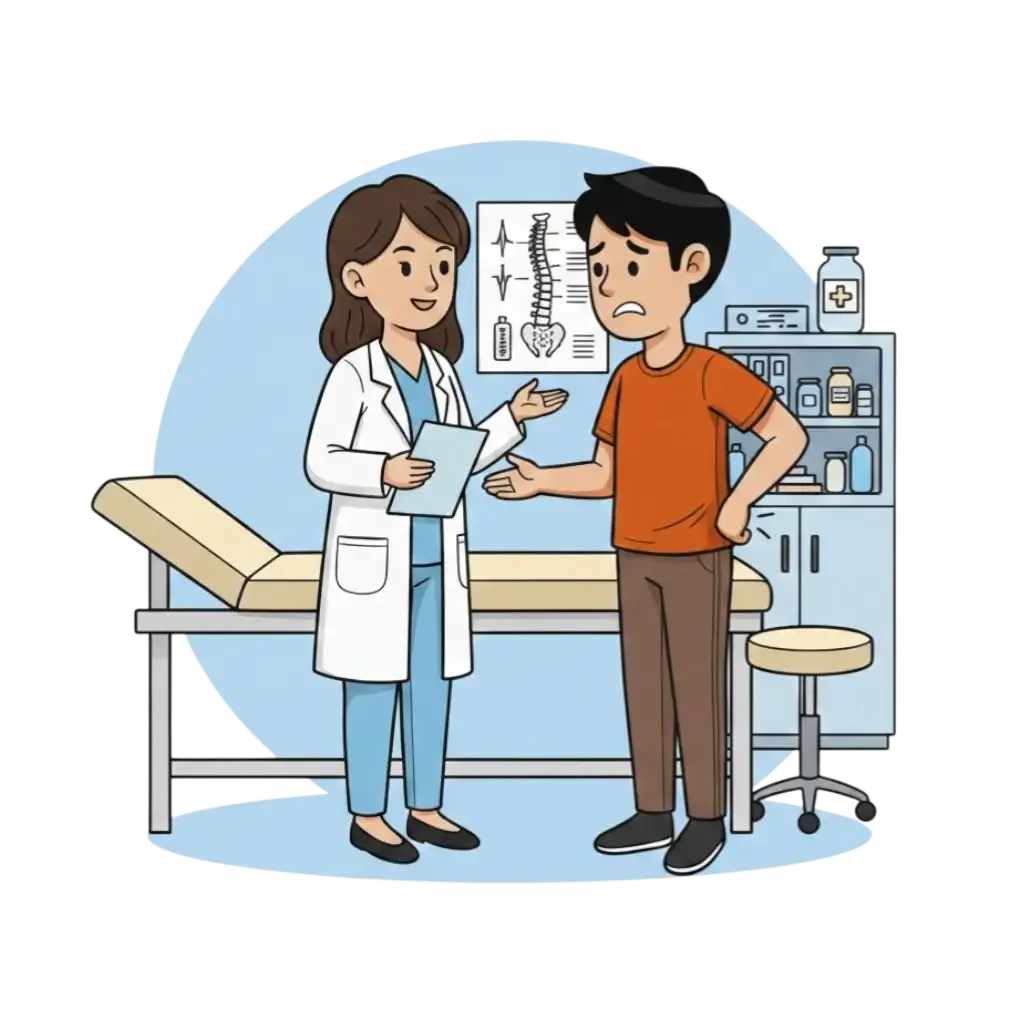
Lower back pain is common and, in most cases, manageable with rest, exercises, and lifestyle adjustments. But sometimes, pain is a sign that something more serious is going on. In this article, we’ll explain when lower back pain is more than just discomfort — and when you should see a doctor immediately.
 January 10, 2026
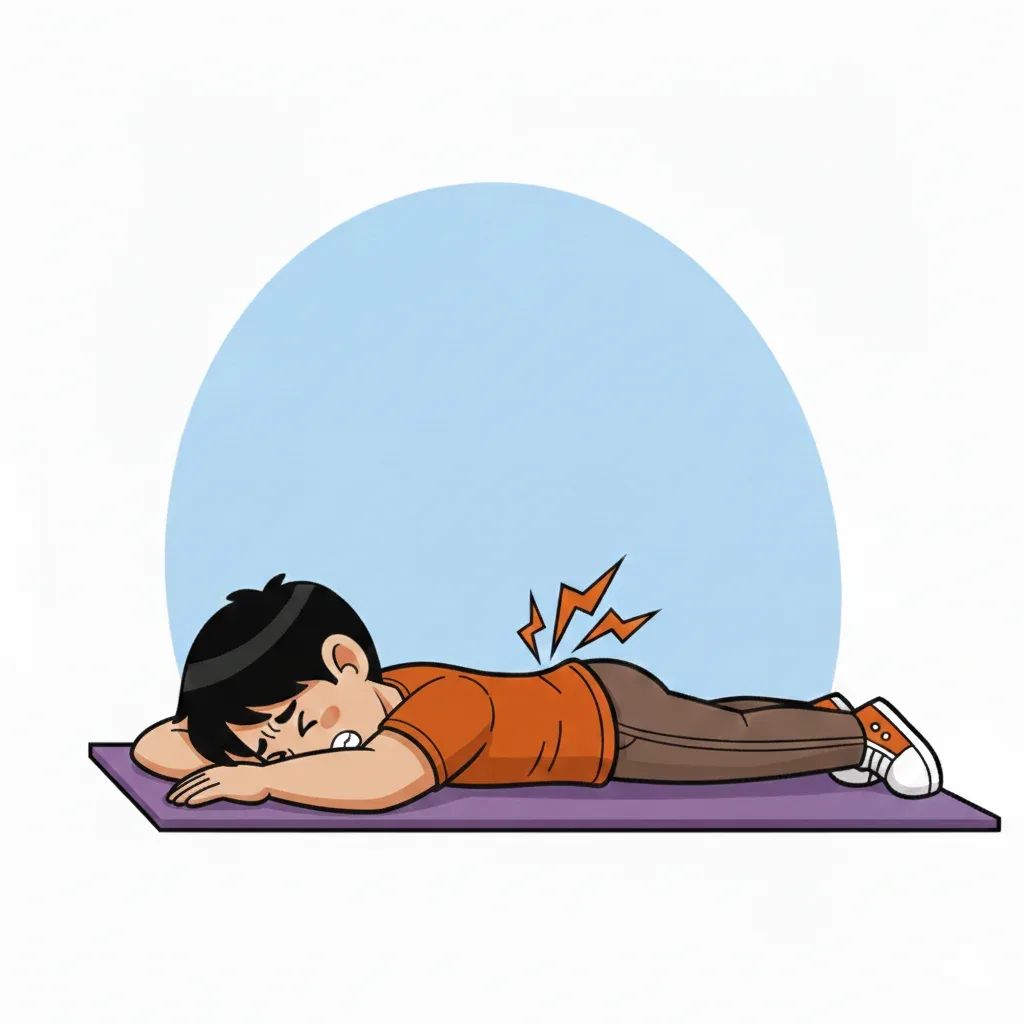
Exercise is a powerful tool for improving health and mobility—but not all exercises are suitable for everyone. If you’re struggling with lower back pain, certain movements can do more harm than good. In this article, I’ll walk you through five popular exercises that can actually worsen lower back pain, and I’ll suggest safer alternatives to keep your spine healthy and pain-free.
 January 10, 2026
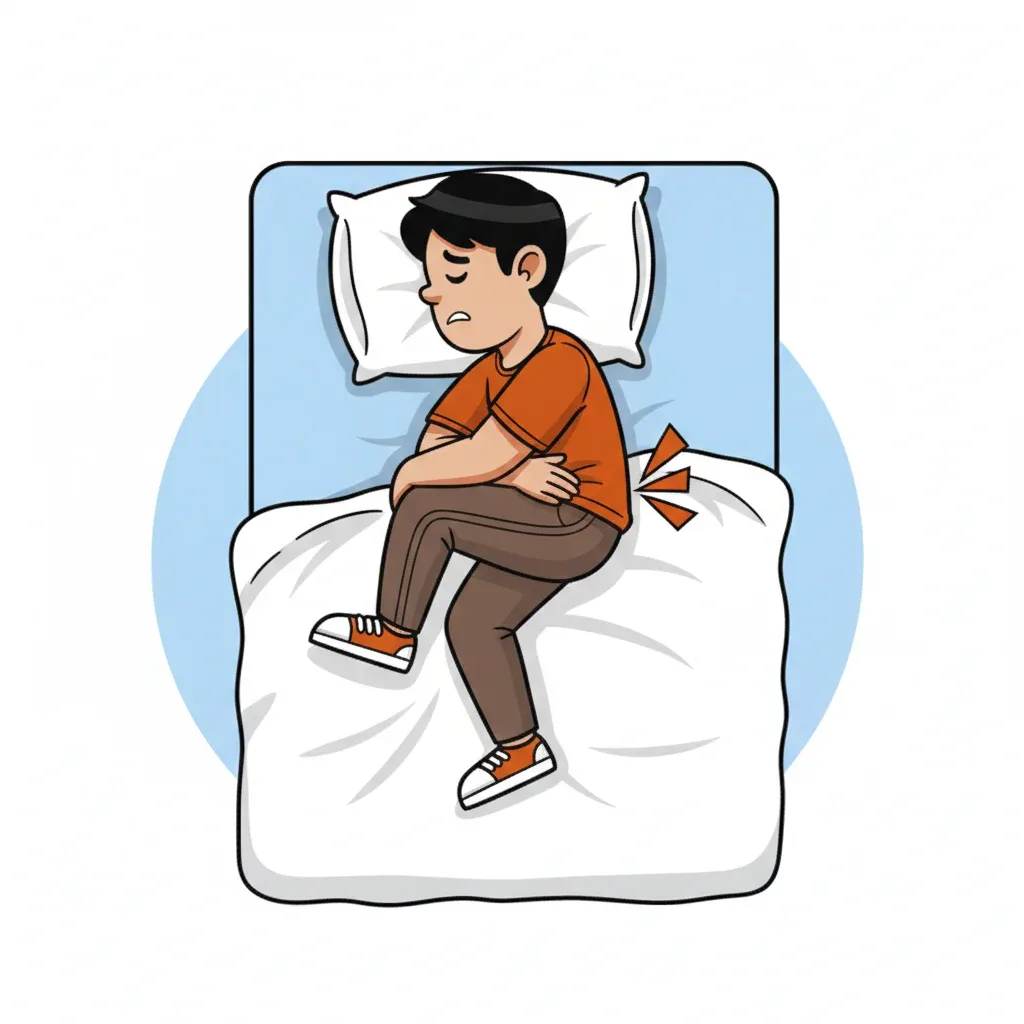
Do you wake up with lower back pain that gets better as the day goes on? Morning back pain is a common complaint and can have several causes, from sleeping positions to underlying conditions. In this article, I’ll explain why lower back pain happens in the morning and how you can prevent it for good.
 REHUB
REHUB