Do you wake up with lower back pain that gets better as the day goes on? Morning back pain is a common complaint and can have several causes, from sleeping positions to underlying conditions. In this article, I’ll explain why lower back pain happens in the morning and how you can prevent it for good.
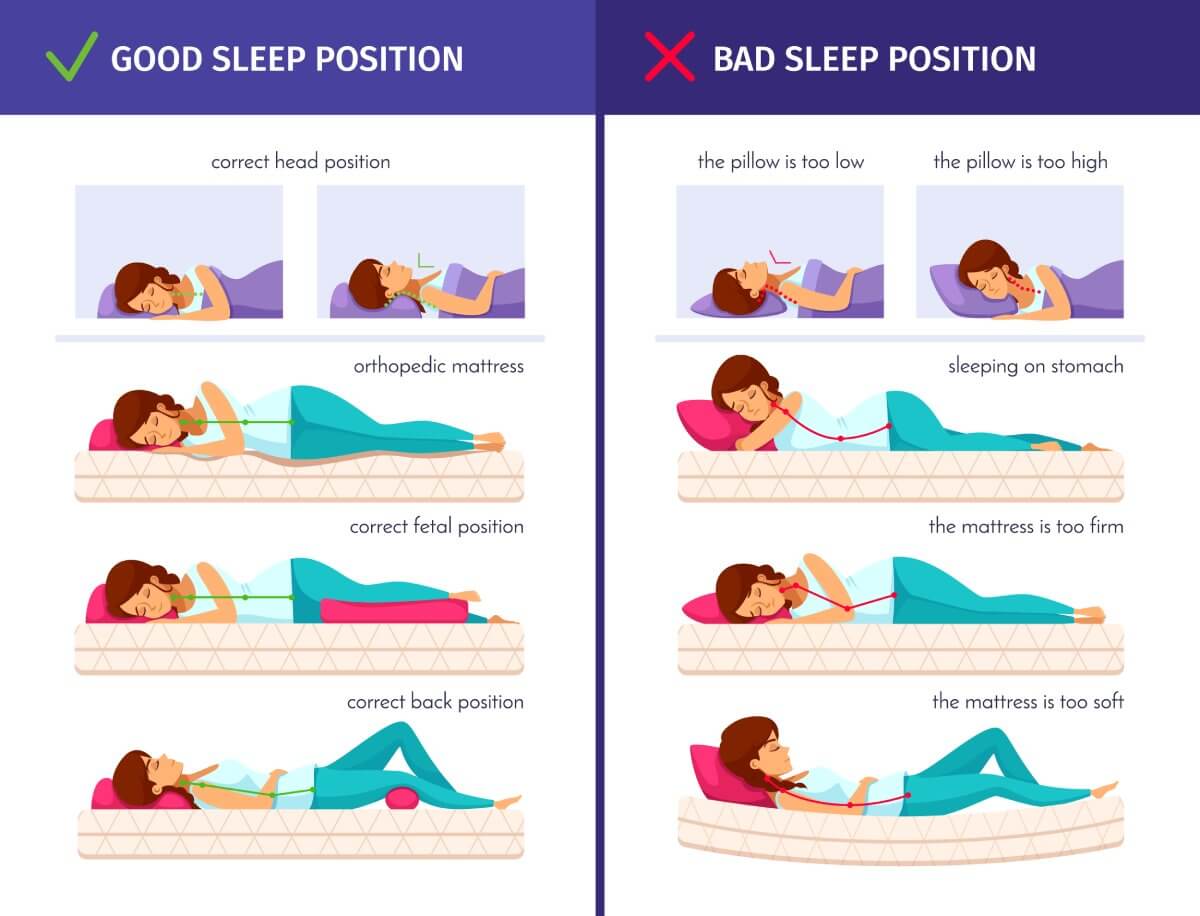
Sleeping on your stomach or with an unsupported lower back can strain your spine and muscles overnight.
A mattress that’s too soft or too firm can throw your spine out of alignment, causing morning pain and stiffness.
Your spine and muscles are less mobile during sleep. If you already have tight muscles or mild inflammation, lying still can worsen stiffness by morning.
Herniated disc:
Pain can be worse after a long period of lying down.
Ankylosing spondylitis:
Causes morning stiffness that improves with movement.
Spinal arthritis:
Leads to inflammation and stiffness overnight.
Pain that lasts more than 30 minutes after waking up
Pain that worsens over time or doesn’t improve with stretching
Morning stiffness combined with weight loss or fever
Pain that wakes you up in the night
Sleep on your back with a small pillow under your knees
If you sleep on your side, place a pillow between your knees
Avoid stomach sleeping, which twists the lower back
Medium-firm mattresses are often best for spinal support
Replace your mattress every 7–10 years or sooner if it sags
Gentle stretches help loosen tight muscles:
Child’s pose
Cat-cow
Supine twist
Hamstring stretch
Daily strengthening reduces spinal stress and helps prevent stiffness overnight.
Daily walking, yoga, or light exercise improves circulation and keeps the spine flexible.
Waking up with lower back pain can ruin your morning, but with the right sleep setup, posture, and daily habits, you can reduce or completely eliminate morning stiffness and discomfort.

 February 13, 2026
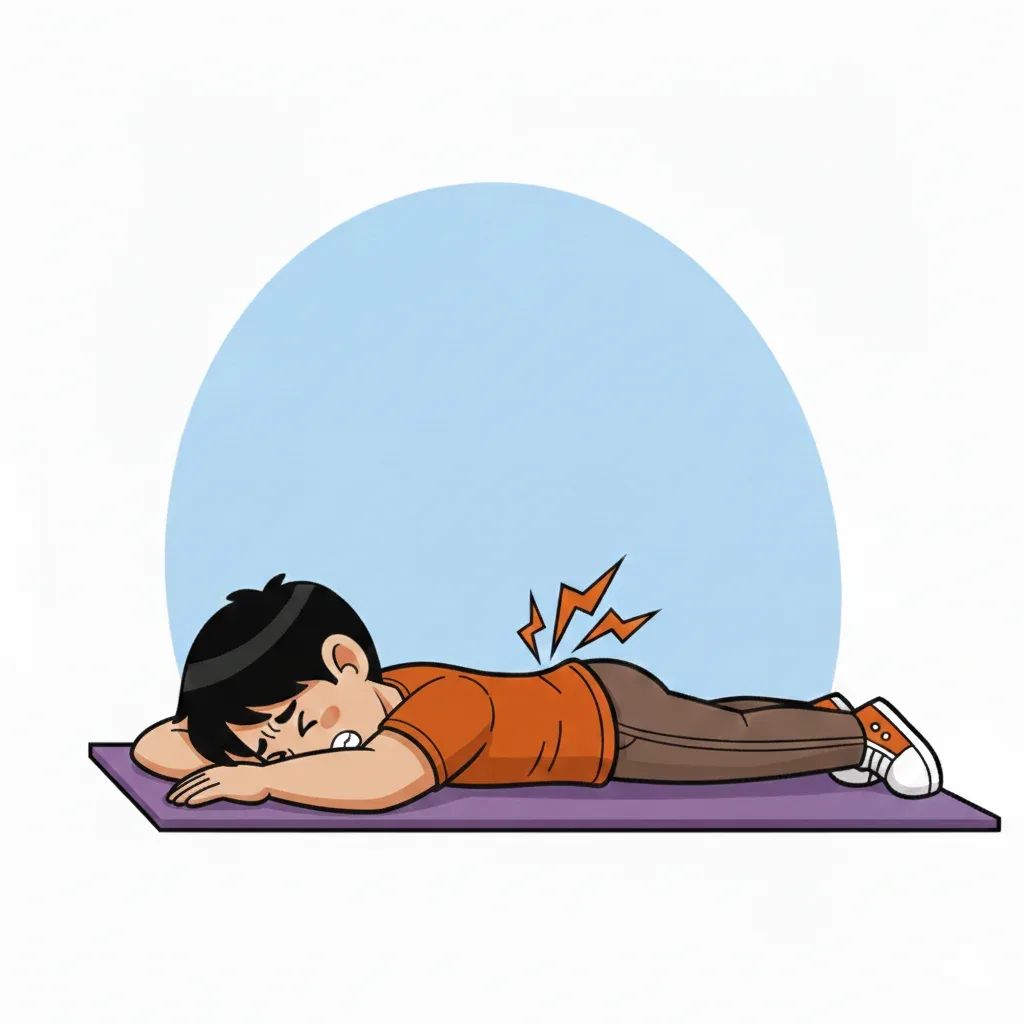
Lower back pain is common and, in most cases, manageable with rest, exercises, and lifestyle adjustments. But sometimes, pain is a sign that something more serious is going on. In this article, we’ll explain when lower back pain is more than just discomfort — and when you should see a doctor immediately.
 January 10, 2026
Exercise is a powerful tool for improving health and mobility—but not all exercises are suitable for everyone. If you’re struggling with lower back pain, certain movements can do more harm than good. In this article, I’ll walk you through five popular exercises that can actually worsen lower back pain, and I’ll suggest safer alternatives to keep your spine healthy and pain-free.
 March 21, 2025
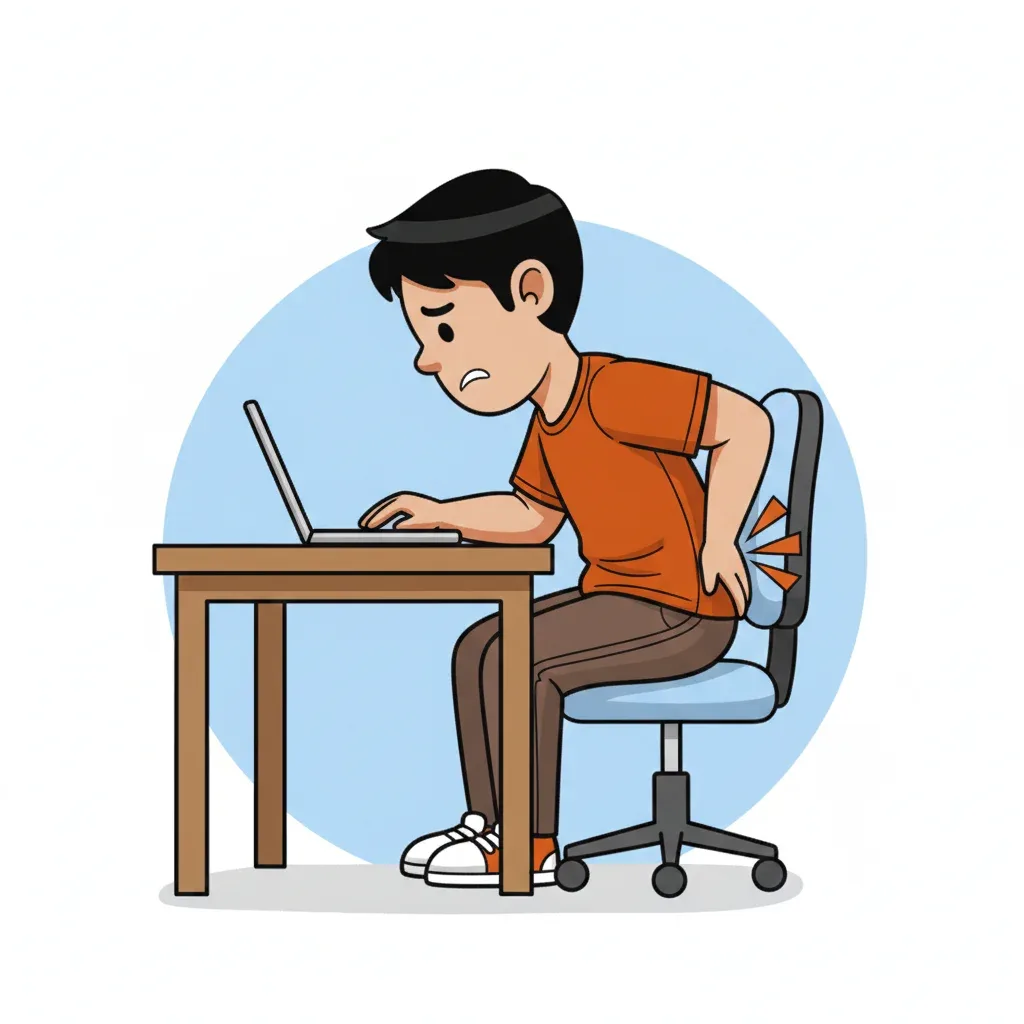
We sit more than ever — at work, in the car, and at home. But sitting for hours every day can take a serious toll on your lower back. If you’ve ever stood up from your chair and felt stiffness or pain, you’re not alone. In this article, I’ll explain how prolonged sitting affects your lower back and what you can do to prevent pain.
 REHUB
REHUB