Dealing with a bulging disc? Discover the science-backed methods to reduce inflammation, decompress your spine, and fix sciatica without invasive procedures.
When a disc herniates or bulges, it often puts pressure on nearby nerves, leading to pain that can travel down your leg (sciatica). The goal of centralization is to move that "traveling" pain back towards your spine, where it’s less irritable and often easier to manage. The McKenzie Method, developed by physical therapist Robin McKenzie, is a highly effective, evidence-based approach that empowers you to do just that.
Important Note: Always listen to your body. If any exercise increases your peripheral (leg) pain or makes it worse, stop immediately and consult with a healthcare professional.
How to do it: Lie flat on your stomach, with your arms resting slightly above your head. (If easier you can lie with your head turned to the side, your arms can be by your sides or bent with your hands under your chin)
Duration: Start with 5-10 minutes, several times a day.
Focus: This position allows gravity to gently decompress the front of your discs. If this position is painful, try placing a pillow under your abdomen.
When to progress: Once you can lie comfortably for 5-10 minutes with your leg pain reducing or moving upwards.
How to do it: From the lying prone position, prop yourself up onto your elbows, keeping your hips and pelvis relaxed and flat on the floor.
Duration: Hold for 30-60 seconds, then relax. Repeat 5-10 times.
Focus: This increases the extension in your lower back, further encouraging centralization. Maintain a relaxed lower back.
When to progress: When you can comfortably hold this position for a minute with your leg pain reducing or moving upwards.
How to do it: Lie on your stomach with your hands positioned under your shoulders. Slowly press up, straightening your arms while keeping your hips on the floor. Only go as far as pain allows. Hold for 5-10 seconds, then slowly lower.
Duration: Perform 10-15 repetitions, repeating every 1-2 hours while awake.
Focus: This is the most aggressive extension exercise in the series. It's crucial that your leg pain does not increase and ideally centralizes or decreases. If leg pain intensifies, go back to the previous stage.
When to progress: When you can perform full press-ups easily without increasing leg pain.
Once your acute pain has subsided and you've achieved significant centralization, it's time to shift focus. Strengthening the core muscles that support your spine and pelvis is crucial for long-term protection against re-injury. These exercises will help stabilize your spine and take pressure off your discs.
Remember: Only begin these exercises once your pain is well-managed and centralized. If you feel any sharp pain, stop immediately.
How to do it:
1. Lie on your back and lift your legs bending them to approximately 90 degrees at the hips and knees.
2. Extend your arms alongside your body, resting them on the floor.
3. Ensure that your lower back stays flat against the ground.
4. Focus on abdominal breathing (intra-abdominal pressure helps stabilizing your spine).
5. Once you feel stable, slowly start extending one leg toward the ground. Then return it to the starting position. Take a short break and repeat the movement with the opposite side.
Make sure your pelvis stays still and your lower back stays flat against the ground. Avoid any arching in the lower back!
Sets/Reps: 3 sets of 3 repetitions per leg.
Focus: Make sure your pelvis stays still and your lower back stays flat against the ground, Avoid any arching. The slower you go, the more challenging and effective it is.
How to do it: Lie on your back with your knees bent, feet flat on the floor hip-width apart, and arms by your sides. Press through your heels and squeeze your glutes to lift your hips off the floor until your body forms a straight line from your shoulders to your knees. Hold for 10 seconds, then slowly lower your hips back down.
Sets/Reps: repeat the exercise 3 times.
Focus: Avoid over-arching your lower back at the top; focus on squeezing your glutes (butt muscles).
How to do it: Start on your hands and knees, with your hands directly under your shoulders and knees under your hips. Keep your back flat and your core engaged. Slowly extend one arm forward and the opposite leg straight back, keeping your hips level and avoiding any rotation in your torso. Hold for 3-5 seconds, then slowly return to the starting position. Alternate sides.
Sets/Reps: 3 sets of 10 seconds per side.
Focus: Maintain a neutral spine throughout. Avoid lifting your arms and legs to much, which can cause over-extending in the lumbar spine.
Healing from a herniated disc and managing sciatica is a journey, not a sprint. Be patient, be consistent, and remember that every small step forward is a victory on your path to a truly pain-free back.
 February 13, 2026
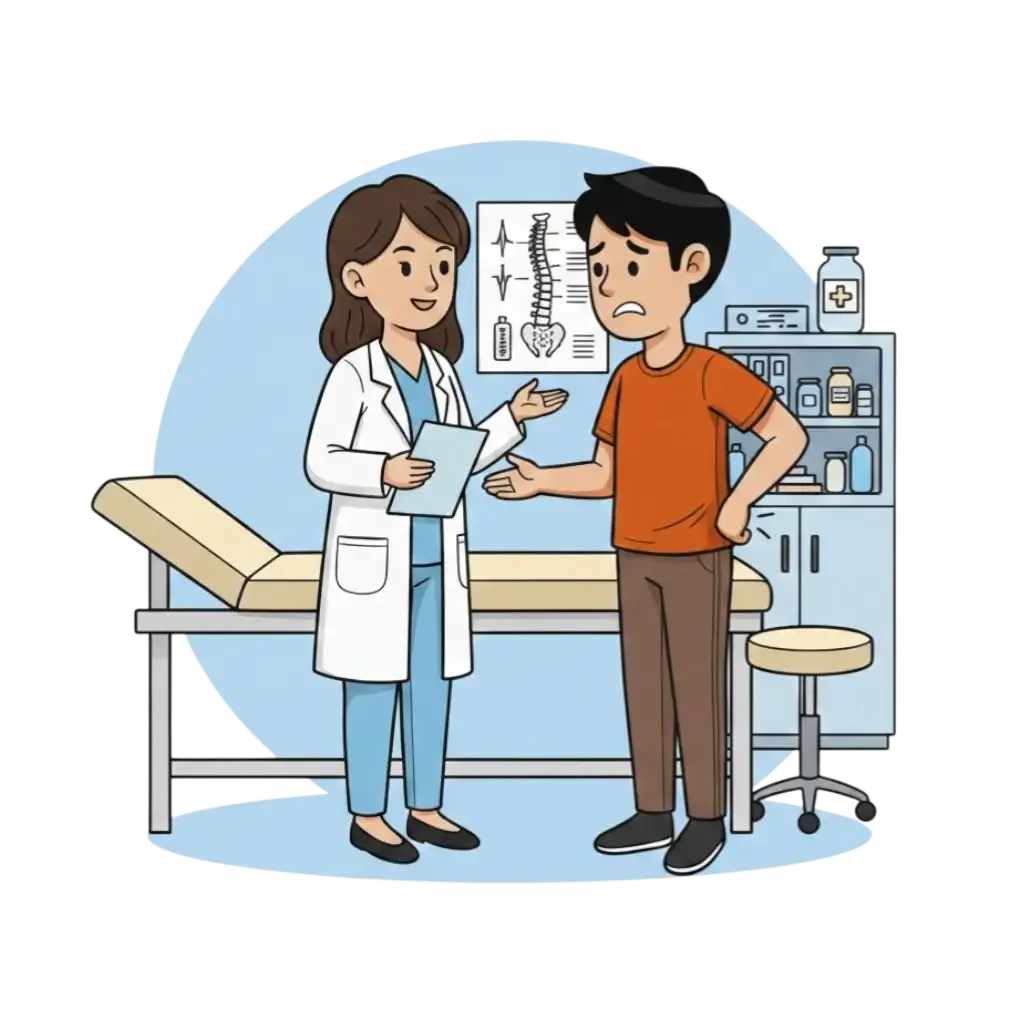
Lower back pain is common and, in most cases, manageable with rest, exercises, and lifestyle adjustments. But sometimes, pain is a sign that something more serious is going on. In this article, we’ll explain when lower back pain is more than just discomfort — and when you should see a doctor immediately.
 January 10, 2026
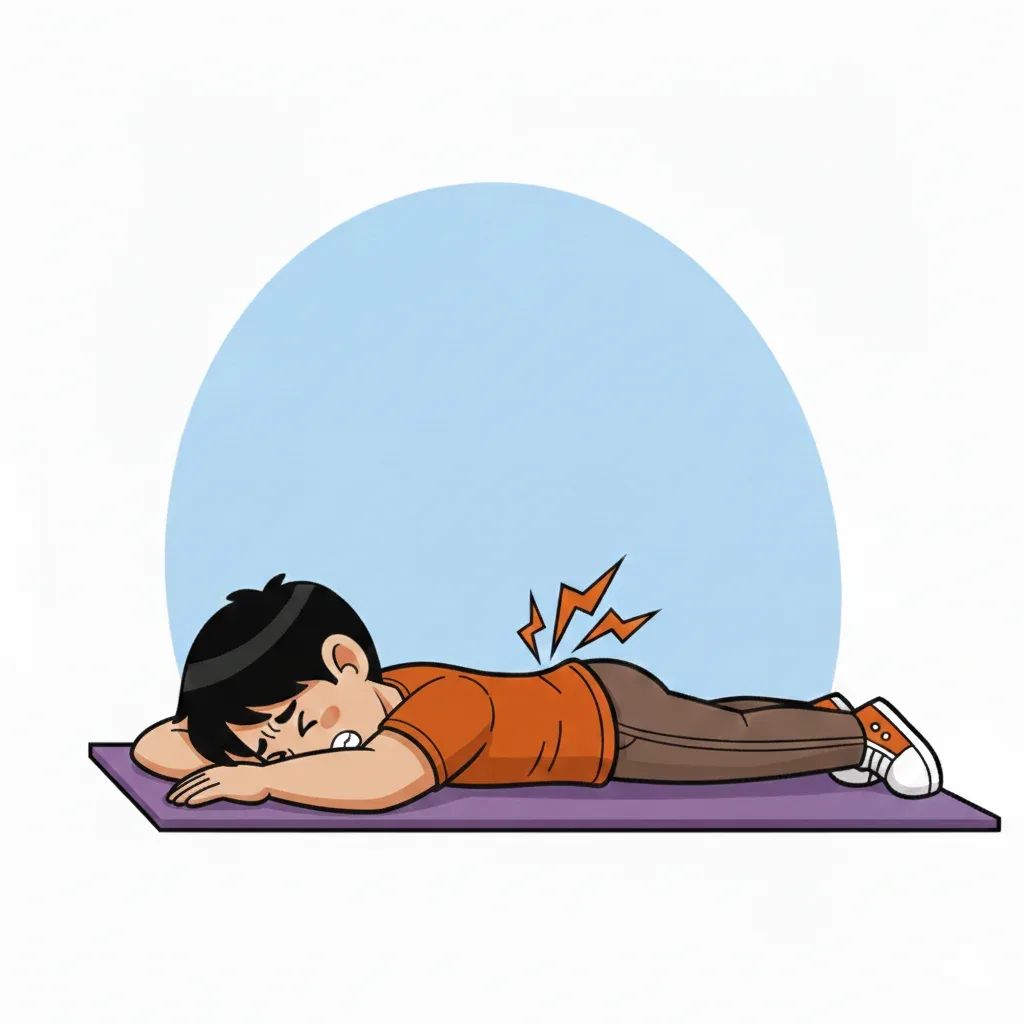
Exercise is a powerful tool for improving health and mobility—but not all exercises are suitable for everyone. If you’re struggling with lower back pain, certain movements can do more harm than good. In this article, I’ll walk you through five popular exercises that can actually worsen lower back pain, and I’ll suggest safer alternatives to keep your spine healthy and pain-free.
 January 10, 2026
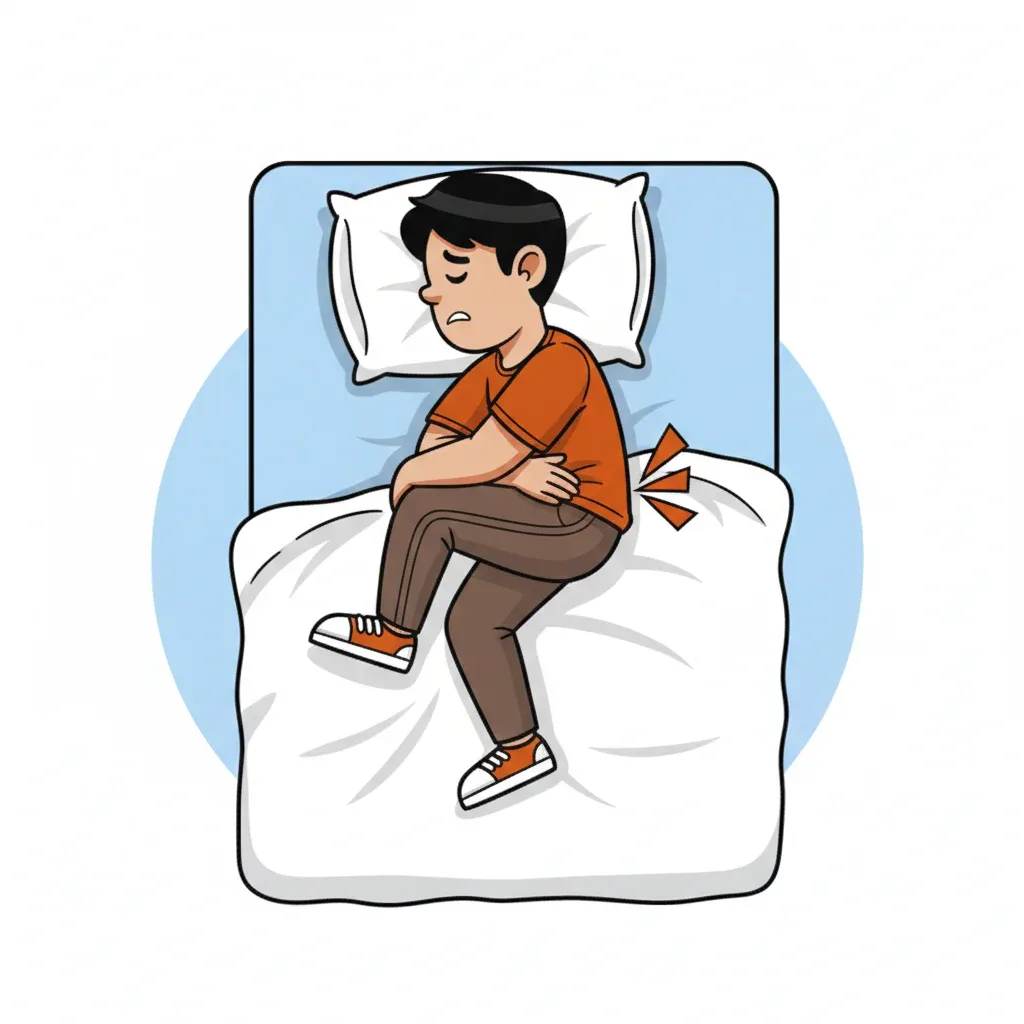
Do you wake up with lower back pain that gets better as the day goes on? Morning back pain is a common complaint and can have several causes, from sleeping positions to underlying conditions. In this article, I’ll explain why lower back pain happens in the morning and how you can prevent it for good.
 REHUB
REHUB